Trusted Hernia Surgery, Health Restored
Safe, advanced, and personalized care for faster recovery
Treatment Options
Inguinal Hernia Repair
Umbilical Hernia Repair
Laparoscopic Hernia Surgery
Hiatal Hernia Treatment
Inguinal Hernia Repair
Inguinal Hernia Repair is a surgical procedure performed to correct a weakness in the abdominal wall in the groin area, where part of the intestine or fatty tissue protrudes through. During the operation, the surgeon carefully pushes the herniated tissue back into the abdomen and reinforces the weakened muscle wall, often using stitches and a synthetic mesh to provide strength and reduce the chance of recurrence. The procedure can be done through open surgery, which involves a single incision in the groin, or laparoscopic surgery, which uses several small incisions and a camera to guide the repair. Patients usually receive anesthesia, and most are discharged the same day. Recovery is generally quick, with light activities resumed within days, though heavy lifting should be avoided for several weeks. Risks include infection, bleeding, nerve injury, or recurrence, but overall outcomes are highly successful, and most patients regain normal function with minimal long-term issues.
Umbilical Hernia Repair
Umbilical Hernia Repair is a surgical procedure used to correct a weakness in the abdominal wall near the navel, where tissue or part of the intestine pushes through. In this operation, the surgeon gently returns the protruding tissue to its proper place inside the abdomen and strengthens the weakened area, often with stitches and sometimes with a synthetic mesh to reduce the chance of recurrence. It can be performed through open surgery, where a single incision is made near the belly button, or through laparoscopic surgery, which uses several small incisions and a camera to guide the repair. Patients usually receive anesthesia, and most can go home the same day. Recovery is generally smooth, with light activities resumed quickly, though heavy lifting should be avoided for several weeks.
Laparoscopic Hernia Surgery
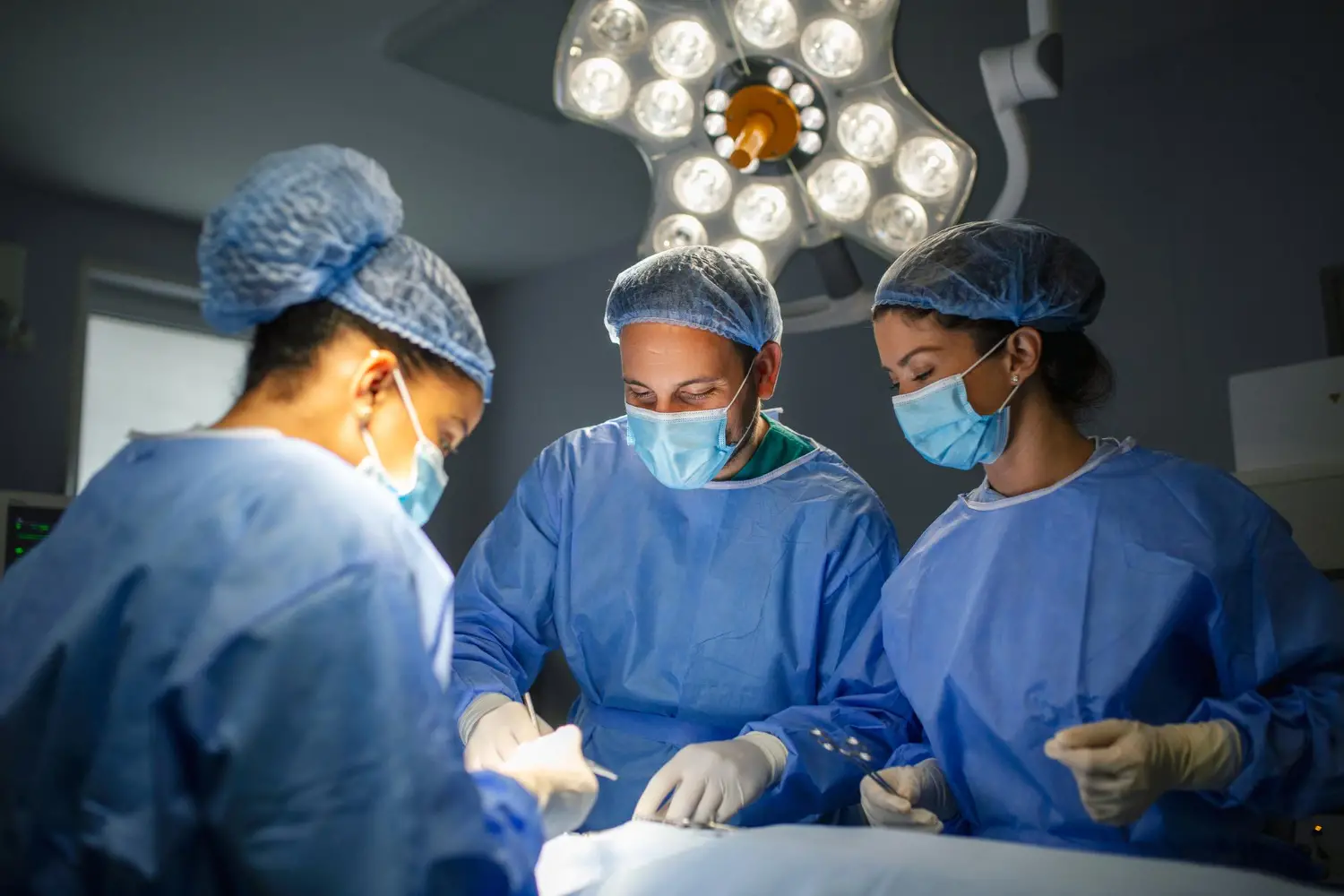
Laparoscopic Hernia Surgery is a minimally invasive procedure used to repair different types of hernias, including inguinal, umbilical, and incisional hernias. Instead of a large cut, the surgeon makes 3–5 small incisions in the abdomen. Through these, a laparoscope (a thin tube with a camera) and surgical instruments are inserted. The abdomen is gently inflated with harmless gas to create space, allowing the surgeon to clearly see and repair the hernia. The herniated tissue is pushed back into place, and the weakened abdominal wall is reinforced with stitches and usually a synthetic mesh to prevent recurrence. Compared to open surgery, laparoscopic repair typically causes less pain, results in smaller scars, and allows patients to return to normal activities more quickly.
Hiatal Hernia Treatment
Hiatal Hernia Treatment is aimed at controlling symptoms like acid reflux and preventing complications. Most patients respond well to non-surgical measures. Doctors usually begin with lifestyle changes such as eating smaller meals, avoiding lying down after eating, elevating the head of the bed, maintaining a healthy weight, and avoiding trigger foods like caffeine, alcohol, chocolate, and fatty meals. Medications are often prescribed to reduce stomach acid, including antacids for quick relief, H2 blockers to lower acid production, and proton pump inhibitors for stronger acid control and healing of the esophagus. Surgery is considered only in severe or persistent cases, or when complications such as strangulation occur. In surgical repair, the stomach is repositioned, the diaphragm opening is tightened, and the lower esophagus muscles are reinforced, usually through laparoscopic techniques that allow faster recovery. Overall, fewer than 5% of patients require surgery, and most manage their condition effectively with lifestyle adjustments and medication.
Frequently Asked Questions
Why Choose Healing Touch
Healing Touch offers specialized surgical and ICU services with compassionate patient care to ensure optimal recovery and support.
Advanced Laparoscopy
Expertise in advanced laparoscopic techniques ensuring minimally invasive procedures.
Expert ICU Care
Comprehensive ICU care with critical monitoring and ventilator support.
General Surgery
Skilled general surgery team handling emergencies efficiently.
24/7 Nursing
Round-the-clock nursing care dedicated to patient comfort and recovery.
Pain Management
Focused pain management strategies for enhanced patient relief.
Rehabilitation
Comprehensive physiotherapy and rehabilitation for faster healing.
Get In Touch Today
We're here to help: contact us via phone, email, or visit our hospital for compassionate care and expert support.
Mobile
+919892211127
Address
FIRST FLOOR, CHANDRAKANT RESIDENCY, NERURKAR ROAD. NR.TRAFFIC GARDEN, SANGEETA WADI, DOMBIVLI EAST THANE 421201 MAHARASHTRA
healingtouchelc22@gmail.com
Socials